We put birthday candles on birthday cakes for a combination of ancient ritual, symbolic meaning, and cultural tradition that has evolved over more than 2,500 years. The short answer: candles on a birthday cake represent the years of a person's life, carry a wish from the birthday person to the universe when blown out, and connect us to ancient beliefs about fire, light, and the protective power of smoke rising toward the heavens. The longer answer involves Greek religious offerings, German childhood customs, Swiss confectionery history, and the modern global spread of a tradition that now unites billions of people in a shared ritual every year.
Far from being a random decoration, the birthday candle carries layers of meaning that explain why the tradition has not only survived but intensified over centuries. Understanding its origins makes the simple act of blowing out candles and making a wish feel like the genuinely ancient, cross-cultural human moment that it is.
The Ancient Greek Roots: Candles as Offerings to the Moon Goddess
The earliest documented link between candles, cakes, and celebration dates to ancient Greece, approximately the 6th century BCE. The Greeks made round honey cakes lit with candles as offerings to Artemis, goddess of the moon and the hunt, on her sacred day. The round shape of the cake represented the full moon — the symbol most closely associated with Artemis — and the candles burning on its surface mimicked the glow of moonlight.
The smoke rising from the candle flames was believed to carry prayers and wishes directly to the gods on Mount Olympus. This belief in smoke as a divine messenger — a concept shared across many ancient cultures, from Hebrew burnt offerings to Hindu agni (fire) rituals — is the direct philosophical ancestor of the modern birthday tradition of making a wish when blowing out candles. The wish is entrusted to the smoke, which carries it upward to whatever higher power might receive it.
(Source: Roscher, W.H., "Ausführliches Lexikon der griechischen und römischen Mythologie," 1884–1890; Dundes, A., "The Birthday: A Cross-Cultural Study," 1980.)
The Protective Power of Candle Light in Antiquity
Ancient cultures across Greece, Rome, and the Near East shared a belief that a person's birthday was a spiritually vulnerable day — a transition point between one year of life and the next during which evil spirits were thought to be particularly present and dangerous. Fire and light were understood as protective forces that kept darkness and malevolent spirits at bay. Surrounding the birthday person with candle flames was therefore both a celebratory and a protective act — using the power of light to shield them during this annual moment of spiritual vulnerability.
Friends and family who gathered for a birthday celebration were believed to strengthen this protection through their presence, good wishes, and the shared energy of the gathering. This is why birthday celebrations have almost universally been communal events across cultures and time periods — solitary birthday observation defeats the protective purpose of the assembled community's goodwill and light.

The German Origin of the Modern Birthday Cake Tradition
The practice that most directly resembles the modern birthday cake with candles emerged in 18th-century Germany through a tradition called Kinderfest — a celebration of a child's birthday that included a decorated cake with candles. The earliest known written description of this practice appears in a 1746 letter from German poet and critic Johann Wolfgang von Goethe describing his own birthday celebration as a child, where he recalled a cake with candles.
By the late 18th century, the German practice of placing one candle on the cake for each year of the child's age — plus one additional "candle of life" representing the year to come — was well-established in middle and upper-class German households. This one-candle-per-year convention is the direct origin of the modern tradition: the number of candles tells the story of the person's age, making the cake a visual timeline of their life so far. (Source: Tuleja, T., "Curious Customs: The Stories Behind 296 Popular American Rituals," 1987; Pleck, E.H., "Celebrating the Family: Ethnicity, Consumer Culture, and Family Rituals," Harvard University Press, 2000.)
The Kinderfest Tradition and Its Key Elements
The German Kinderfest birthday celebration contained most of the elements that define the modern birthday cake ritual:
- A sweetened cake decorated with a specific number of candles matching the child's age
- The candles kept burning throughout the day until the evening meal, when the birthday child blew them all out in a single breath
- A silent wish made in the moment of blowing — the wish kept secret to prevent its power from being dispersed
- The belief that successfully extinguishing all candles in a single breath meant the wish would be granted within the year
- Singing by the assembled family and guests as the candles were blown out
The only significant departure from modern practice was the duration — in the Kinderfest tradition, candles burned all day as a continuous source of celebratory light rather than being lit specifically for the blowing-out moment. The compression of this into the single ritual moment of the gathered-family candle-blowing is a later simplification that made the tradition practical for the social and domestic conditions of the 19th and 20th centuries.
The Swiss Confectionery Record: Earliest Documented Birthday Cake
The earliest precisely dated documentation of a birthday cake with candles as a specific artifact — as opposed to a general cultural practice — appears in the account books of Swiss confectioner and diarist Johann Conrad Amman, whose records from 1741 describe a Geburtstagskuchen (birthday cake) decorated with candles prepared for Count Ludwig von Zinzendorf's birthday celebration. This is the earliest surviving written record in Western archives of a birthday cake with the explicit purpose of celebrating a specific person's birthday with lit candles.
The historical significance of this record is that it places the formalized birthday cake tradition firmly in the German-speaking European world in the mid-18th century, consistent with the broader Kinderfest tradition, and confirms that the practice was established enough by 1741 to be noted as a specific confectionery commission rather than an improvised custom. (Source: Weir, R.J., "O Rare Elizabeth Raffald," Oxford Symposium on Food and Cookery; Pleck, E.H., Harvard University Press, 2000.)
The Making of a Wish: Why We Blow Out Candles Silently
The wish-making ritual is arguably the most psychologically resonant element of the birthday candle tradition, and its rules — the wish must be kept silent; all candles must be extinguished in one breath for the wish to come true — are remarkably consistent across cultures that have adopted the tradition. Understanding why helps explain the enduring emotional power of what is, objectively, a simple physical act.
Why the Wish Must Be Secret
The secrecy requirement for the birthday wish is rooted in sympathetic magic — the ancient belief that knowledge of a desired outcome shared with others can diminish its probability of occurring by distributing the intention across too many minds and thus weakening its directed force. This concept appears in folk magic traditions worldwide, from European charm magic to African and Native American ritual belief systems, all of which share a version of the principle that a spoken desire is a weakened desire.
In more modern psychological terms, research on goal intention and implementation suggests a counterintuitive finding that partially supports this belief: people who publicly announce personal goals show reduced subsequent motivation to achieve them, a phenomenon researchers call "social reality substitution" — the social acknowledgment of the stated goal partially substitutes for the actual achievement, reducing the internal drive to follow through. (Source: Gollwitzer, P.M. et al., "When Intentions Go Public: Does Social Reality Widen the Intention-Behavior Gap?" Psychological Science, Vol. 20, No. 5, 2009.)
Why All Candles Must Be Blown Out in One Breath
The one-breath requirement — all candles extinguished simultaneously or in a single continuous exhalation — adds a performance element that introduces appropriate stakes and creates genuine tension in the wish-making moment. From a ritual design perspective, this is a masterful addition: it makes the outcome uncertain (can this person do it?), creates a shared focus of collective attention on the birthday person in their moment of making a wish, and provides unambiguous success or failure feedback.
The practical origin of this rule may be Germanic — in the Kinderfest tradition, the smoke from all simultaneously extinguished candles rising together in a single column was believed to carry the wish more powerfully to the divine realm than smoke from candles extinguished one by one. This visual effect of a dramatic unified smoke column after a successful blow-out still produces a small but genuine moment of theatrical satisfaction that reinforces the ritual significance of the act.
For very large numbers of candles — 50, 60, 70 candles for milestone birthday celebrations — the one-breath requirement creates genuine physical challenge that adds humor and communal participation (as guests often find themselves subconsciously holding their breath or silently encouraging the birthday person) to what might otherwise be a routine repetition of a childhood ritual.
How Birthday Candles Spread Globally: From Europe to the World
The birthday cake with candles tradition was a distinctly European practice until the late 19th century. Its global spread to become arguably the single most universally shared secular ritual in human history was driven by several converging forces over the 19th and 20th centuries.
German Immigration and Cultural Export
Large-scale German immigration to the United States throughout the 19th century — an estimated 5 to 6 million German immigrants entered the USA between 1820 and 1900 — brought Kinderfest birthday traditions into American domestic culture. German immigrant communities in Pennsylvania, Ohio, Wisconsin, and elsewhere maintained cultural practices including birthday cake celebrations that gradually diffused into the broader American cultural mainstream through social contact and intermarriage with other immigrant communities. By the late 19th century, references to birthday cakes with candles appear in American household guides and social etiquette publications, indicating the practice was becoming a middle-class American norm. (Source: U.S. Census Bureau historical immigration statistics; Mintz, S., "Huck's Raft: A History of American Childhood," 2004.)
The Industrial Candle Revolution
The widespread adoption of birthday candles in the 20th century was also a product of industrial manufacturing. Before the mid-19th century, candles were expensive, hand-dipped tallow or beeswax products that were not casually used for decoration. The industrialization of candle making — paraffin wax (a petroleum byproduct) was first used for candle production in the 1850s, followed by mechanized dipping and molding equipment — dramatically reduced candle costs, making small decorative birthday candles an affordable consumer product for the first time.
By the early 20th century, commercially manufactured birthday candle sets in standardized colors were being marketed in the United States and Europe, and cake decorating supply companies were producing candle holders and decorative cake accessories as a distinct consumer product category. The availability of inexpensive, standardized birthday candles made the ritual accessible to all income levels and removed the practical barrier of candle cost that had previously limited the tradition to middle and upper-class households. (Source: Woloson, W.A., "Refined Tastes: Sugar, Confectionery, and Consumers in Nineteenth-Century America," 2002.)
20th-Century Media and Cultural Homogenization
The global spread of Hollywood films, American television, and later internet culture throughout the 20th century carried the birthday candle tradition to every corner of the world. By the 1980s and 1990s, birthday scenes in films and television — invariably featuring a cake with candles being carried to the birthday person as the assembled group sang "Happy Birthday to You" (the world's most performed song, first published in its modern form in 1893 by Mildred and Patty Hill) — had made the birthday candle ritual a globally recognized visual shorthand for celebration regardless of local cultural traditions. (Source: Guiness World Records: Most recognized song; Sacks, O., "Musicophilia: Tales of Music and the Brain," 2007; Birthday Song copyright history, Warner/Chappell case.)
Today, birthday candle ceremonies are practiced on every inhabited continent, across all major religious traditions, and in cultures that had no independent candle-on-cake tradition of their own before Western cultural contact. The ritual has proven extraordinarily adaptable — absorbed into Japanese, Chinese, Indian, African, and Latin American birthday celebrations without significantly displacing local traditions, but adding a universally legible shared symbolic layer to the celebration.
The Symbolism of Candle Number: What Each Candle Represents
The number of birthday candles on a cake carries layers of symbolic meaning beyond simple age counting. Different cultures and contexts have attached different significances to candle numbers, and understanding this symbolism adds depth to a tradition that might otherwise seem purely decorative.
One Candle Per Year: The Age Count
The most fundamental symbolism is the direct correspondence between candle count and years lived. Each candle represents one year of existence — a compact visual biography of the birthday person's time on earth. This numeric representation makes the birthday cake a kind of annual census: for a child's sixth birthday, six small flames say "this person has lived through six complete cycles of seasons, six winters and springs, six years of experience and growth." The candles are not merely decorative — they are a precise numerical statement.
For milestone birthdays — 18, 21, 30, 40, 50, 60 — the number of candles takes on additional social and cultural meaning. In many Western cultures, 18 candles mark the legal transition to adulthood; 21 candles (in the United States) mark full legal drinking age; 50 candles mark the half-century point that carries its own cultural weight of achievement and reflection. The number of candles frames the birthday person's place in the human life cycle in a way that is immediately comprehensible to every person around the table.
The Extra Candle for the Year to Come
In the original German tradition and in many contemporary European practices, one extra candle is added beyond the age count — representing the year that is beginning, the future year of life that is hoped for. This extra candle is often of a different color or style, distinguishing it as a forward-looking element rather than an accounting of the past. Its presence transforms the cake from a backward-looking inventory of years lived into a forward-looking statement: this person has lived this many years, and here is the flame that represents their hope for the year to come.
The Significance of Candle Colors
The modern birthday candle market offers an extraordinary range of colors, and color choice in birthday celebration carries its own cultural symbolism:
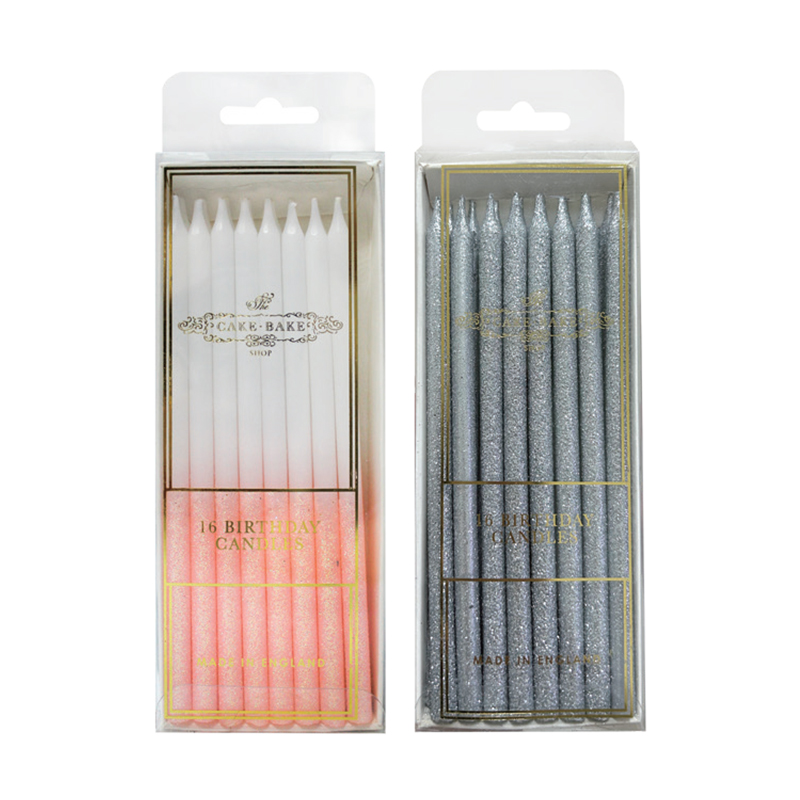
- White candles: Purity, new beginnings, milestone transitions — common for first birthdays and significant decade markers
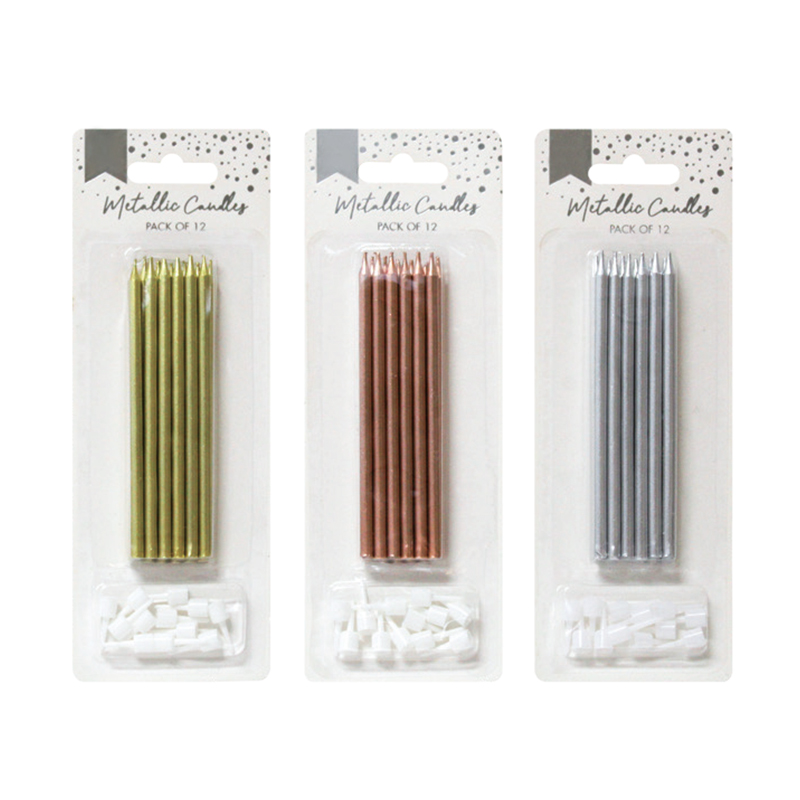
- Gold and silver candles: Achievement, prestige, and celebration of significant milestones — the 50th birthday "golden" celebration is the classic application
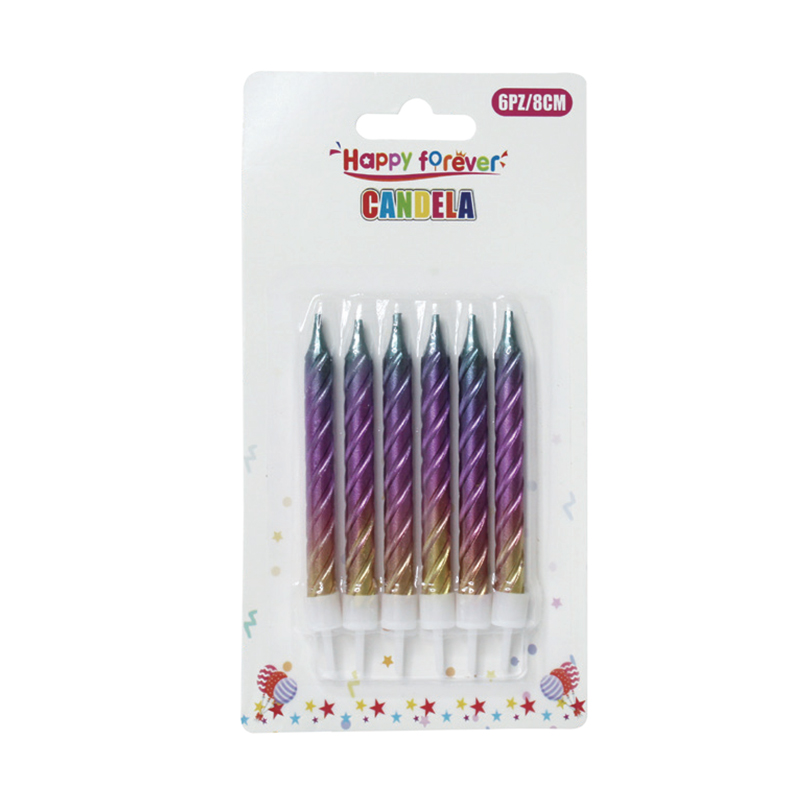
- Rainbow multicolor sets: Joy, inclusivity, and the exuberance of childhood — the most widely sold birthday candle configuration globally, reflecting the visual language of festivity across cultures
- Themed or character colors: Coordinated with the visual theme of the birthday celebration — matching the party's color scheme, representing a favorite character, or signaling membership in a specific fan community
- Single large numeral candles: A modern innovation that allows milestone ages to be displayed without the impracticality of placing 50 or 60 individual candles on a cake
The Science Behind the Birthday Candle: What Is Actually Happening When a Candle Burns
The birthday candle flame, observed thousands of times in a lifetime, is rarely appreciated for the elegant chemistry and physics it demonstrates. Understanding what is actually occurring in a candle flame adds a dimension of wonder to an everyday object.
The Chemistry of Combustion
A birthday candle flame is a sustained chemical reaction: the wax (typically paraffin, a mixture of alkane hydrocarbons with the approximate formula C25H52) is melted by the flame's heat and drawn up the cotton wick by capillary action. At the top of the wick, liquid wax vaporizes and the wax vapor mixes with atmospheric oxygen. When the concentration of vaporized wax and oxygen reaches the ignition threshold, combustion occurs — the rapid chemical oxidation of carbon and hydrogen in the wax produces carbon dioxide, water vapor, light, and heat.
The characteristic teardrop shape of a candle flame is maintained by convection: the heat of combustion warms the surrounding air, reducing its density and causing it to rise. This upward convection current draws fresh oxygen-rich air in from below and the sides, maintaining the flame shape and ensuring continuous oxygen supply to the combustion zone. The blue-purple zone at the flame's base is the region of most complete combustion; the yellow-orange outer region contains glowing incandescent carbon particles (soot) before they are fully oxidized. (Source: Faraday, M., "The Chemical History of a Candle," Royal Institution Christmas Lectures, 1860–1861.)
Why Birthday Candle Wax Is Colored and Scented
Modern birthday candles incorporate wax-soluble dyes and fragrance compounds that give them their distinctive colors and scents. Candle dyes are typically azo dyes or phthalocyanine pigments selected for their solubility in paraffin wax and their stability at candle processing temperatures (the wax is mixed at 60 to 80 degrees C during manufacturing). The coloring burns away during combustion, typically producing a small amount of colored smoke visible at the candle tip before the pigment molecules are fully oxidized.
Birthday candle fragrance compounds — vanilla, fruit, floral, and novelty scents — are added at concentrations of 1 to 5% by weight of the wax. These volatile aromatic compounds evaporate partially from the warm wax surface even before the candle is lit, contributing to the characteristic "birthday candle" scent that triggers olfactory memory associations for many people. The ability of scent to trigger vivid autobiographical memories — documented in neuroscience research as the "Proustian memory" effect — means that the smell of birthday candles reliably evokes personal memory networks that may extend back to early childhood. (Source: Herz, R.S., "A Naturalistic Analysis of Autobiographical Memories Triggered by Olfactory Visual and Auditory Stimuli," Chemical Senses, Vol. 29, 2004.)
What Happens When You Blow Out a Candle
The act of blowing out a candle is a study in disrupted combustion chemistry. When you blow across the wick, you achieve two effects simultaneously: you cool the wax vapor below its ignition temperature, and you displace the oxygen-rich air in the combustion zone with the predominantly nitrogen and carbon dioxide exhaled breath. The combination of cooling and oxygen displacement terminates the combustion reaction. The white smoke visible after a candle is extinguished is not carbon (soot) but rather condensed wax vapor — the vaporized wax that was in the combustion zone when the flame went out, now cooling back to a solid aerosol. This is why a freshly extinguished candle can be re-lit by holding a flame near (but not touching) the wick — the wax vapor is still present and can be re-ignited.
Birthday Candle Traditions Around the World: How Different Cultures Celebrate
While the birthday candle ritual has become globally ubiquitous, different cultures have added their own elements and interpretations that reveal the diversity within the shared tradition.
Germany: The Birthplace and Its Living Tradition
In Germany, the tradition maintains its historical depth. Geburtstagskuchen (birthday cake) remains central to celebration, and in some regional German traditions the extra "life candle" (Lebenskerze) of a different color is still placed with the age candles. Some German families maintain the practice of lighting all candles at breakfast and keeping them burning through the day — a continuation of the Kinderfest tradition that predates the compressed single-moment candle-blowing that the global version of the tradition has adopted.
China: Longevity Peaches and Candles
In traditional Chinese birthday celebrations, the symbolic food is the shòutáo (longevity peach bun) rather than a cake. As Western birthday cake traditions spread to China through the 20th century, they were often integrated with existing Chinese birthday symbolism — birthday candles appear on cakes in modern Chinese celebrations, but the number and color choices often carry additional Chinese symbolic layers. Red candles are frequently used for significant milestone birthdays (60th, 70th, 80th), as red symbolizes good fortune and life energy in Chinese cultural tradition.
Mexico: La Mordida — The Bite Tradition
Mexican birthday celebrations incorporate a distinctive post-candle tradition called la mordida (the bite). After the candles are blown out, the crowd chants "mordida, mordida" (bite, bite) and the birthday person is pushed face-first into the cake to take a bite directly from the top — typically accompanied by significant laughter and social pressure. This tradition transforms the solemn moment of wish-making into immediate communal hilarity and physical comedy, reflecting Mexican celebration culture's emphasis on communal humor and uninhibited joy as central to birthday marking. (Source: Beezley, W.H. and Lorey, D.E., "Viva Mexico! Viva la Independencia!: Celebrations of September 16," 2001.)
Japan: Age-Specific Celebration Foods
Japanese birthday culture has enthusiastically adopted Western birthday cake traditions while maintaining distinctive Japanese elements. Shortcake decorated with fresh strawberries and whipped cream — a Japanese confectionery innovation that bears only a loose relationship to Western shortcake — is the dominant birthday cake format in Japan, and candle-blowing ceremonies at Japanese birthday celebrations follow the same global template. The Japanese concept of kanreki (the 60th birthday, marking a full cycle of the Chinese zodiac) traditionally involved specific ceremonial clothing and foods before Western birthday traditions were incorporated, and modern Japanese 60th birthday celebrations often blend both frameworks.
The Psychological and Social Functions of the Birthday Candle Ritual
Beyond history, symbolism, and chemistry, the birthday candle ritual serves important psychological and social functions that explain why it has proven so durable and universally appealing. Understanding these functions reveals the candle tradition as a piece of genuinely sophisticated social technology.
The Ritual as a Time Marker
Ritual in human societies serves primarily as a time-marking function — it creates distinct, memorable boundaries between ordinary time and significant time. The birthday candle ceremony marks the exact moment at which one year of life ends and another begins. This temporal marking function is cognitively important: humans construct personal narrative identity through the accumulation of marked memories, and rituals like birthday candle ceremonies are among the most reliable mechanisms for creating the clear, emotionally charged memories that form the landmarks of personal autobiographical narrative.
Research in cognitive psychology shows that emotionally aroused memories — memories formed during moments of heightened social attention, anticipation, and sensory engagement — are encoded with significantly greater fidelity and durability than routine memories. The birthday candle ceremony, with its combination of focused social attention on the birthday person, the sensory experience of candlelight, the anticipation of the wish, and the communal singing, creates optimal conditions for strong autobiographical memory formation. (Source: Cahill, L. and McGaugh, J.L., "Mechanisms of emotional arousal and lasting declarative memory," Trends in Neurosciences, Vol. 21, No. 7, 1998.)
The Social Function: Being Seen and Celebrated
The moment when the birthday cake is carried into the room with lit candles and the assembled group begins singing is one of the relatively rare occasions in adult life when an individual becomes the complete center of collective, positive social attention — seen, celebrated, and wished well by everyone present. This experience of being fully seen and affirmed has measurable psychological value: research on social belonging and recognition suggests that experiences of genuine social celebration significantly reinforce the experience of social connection and belonging that is fundamental to psychological wellbeing.
The universal nature of the ritual — that everyone present understands and participates in exactly the same way, because they have all had candles on their own birthday cakes — creates a moment of genuine communal equality: the birthday person receives what every person receives on their birthday, a kind of democratic distribution of the experience of being celebrated. (Source: Baumeister, R.F. and Leary, M.R., "The need to belong," Psychological Bulletin, Vol. 117, No. 3, 1995.)
The Wish as a Structured Moment of Hope
The act of making a wish before blowing out candles is a structured invitation to experience and express hope — to identify, even briefly and privately, what one most desires for the year ahead. In the psychological literature on wellbeing, the act of articulating positive future-oriented desires — even in a private, non-binding way — is associated with increased optimism and positive affect. The birthday wish ceremony provides a culturally legitimized, socially supported context for this act of hopeful self-expression that might otherwise be absent from many people's daily lives.
Modern Birthday Candle Innovations: How the Tradition Evolves
The birthday candle has not stood still since its German Kinderfest origins. The contemporary birthday candle market reflects centuries of accumulated tradition while continuously adding new forms, functions, and features that keep the ritual fresh and relevant for each new generation.
Numeral and Letter Candles
Large wax or metallic numeral candles — individually molded to form the digits of a person's age — solve the practical problem of placing 50 or more individual tapers on a cake. A "50" rendered in two large gold metallic candles makes as clear a symbolic statement as 50 small tapers while being visually striking, photograph-worthy, and practical. Letter candles extend this concept to allow names, initials, and short messages to be spelled out in flame across the cake surface.
Trick Candles: Extending the Moment
Trick birthday candles — designed to re-ignite immediately after being blown out through a chemical mechanism in the wick — first appeared in the 1970s and have become a popular novelty that deliberately subverts the traditional expectation of the candle ceremony. Trick candles work by incorporating a small amount of magnesium in the wick; when the candle is blown out, the still-glowing magnesium particles re-ignite the wax vapor, relighting the candle. The resulting surprise, frustration, and laughter transform the solemn wish-making moment into extended comedy — a reflection of how even well-established rituals can absorb playful subversion without losing their essential character. (Source: Combustion chemistry of trick candles; NFPA candle safety guidelines.)
Musical and Sparkler Candles
Musical birthday candles incorporate a small piezoelectric element and battery that plays "Happy Birthday to You" when the candle is lit — creating a self-contained celebration moment for solo or small celebrations. Sparkler candles — essentially small firework sparklers in birthday candle form — produce a cascade of bright silver or gold sparks rather than a conventional flame, creating a visually dramatic effect for photographs and milestone celebrations. Sparkler candles burn at significantly higher temperatures than conventional wax candles and require appropriate handling care; many venues that host birthday celebrations specify conventional candles only for fire safety reasons.
Eco-Friendly and Non-Paraffin Candles
The growing consumer interest in environmentally sustainable products has reached the birthday candle category. Beeswax birthday candles burn cleaner than paraffin (producing less soot and no petroleum-derived residues), soy wax candles are made from a renewable agricultural source, and palm-wax candles offer a tropical crop alternative to petroleum-based paraffin. These alternatives typically command a price premium but are increasingly specified by eco-conscious consumers and for venues and events where indoor air quality is a consideration.
Safety Considerations for Birthday Candles
Birthday candles are an open-flame product used in social settings that may include children, decorated spaces, and flammable materials. Basic safety awareness ensures the celebratory ritual remains entirely positive.
- Never leave burning candles unattended: Birthday cakes with lit candles should be supervised at all times and never left in an unoccupied room, even briefly
- Keep flammable materials away: Crepe paper, tissue paper decorations, tablecloths, and clothing can ignite from birthday candle flames — maintain a clear zone of at least 30 cm around the cake perimeter when candles are lit
- Use appropriate candle holders: Candles should be seated firmly in candle holders pressed securely into the cake to prevent them from tilting and contacting adjacent candles or the cake surface in an uncontrolled way
- Supervise children around lit cakes: The combination of excitement, movement, and open flame during a birthday cake presentation is a leading scenario for minor burns in children — an adult should be positioned to control access to the cake while candles are burning
- Consider hygiene when blowing out candles: Post-pandemic awareness has increased focus on the potential for respiratory droplet distribution when blowing out cake candles. Individual portion plates cut before candle-blowing, or the use of a handheld fan or card to extinguish candles without direct breath, are now common accommodations for guests with compromised immunity or respiratory conditions. (Source: NFPA Home Fire Safety Candle Guidelines; CDC food handling guidance.)
Our Birthday Candles: Celebrating Every Moment
Our birthday candles are designed to honor the full richness of the tradition described throughout this article — the ancient symbolism of light and wishes, the joy of shared celebration, and the modern desire for beautiful, high-quality products that make every birthday moment photograph-worthy and memorable.
Our range covers the full spectrum of birthday candle types and styles needed for every age, occasion, and celebration aesthetic:
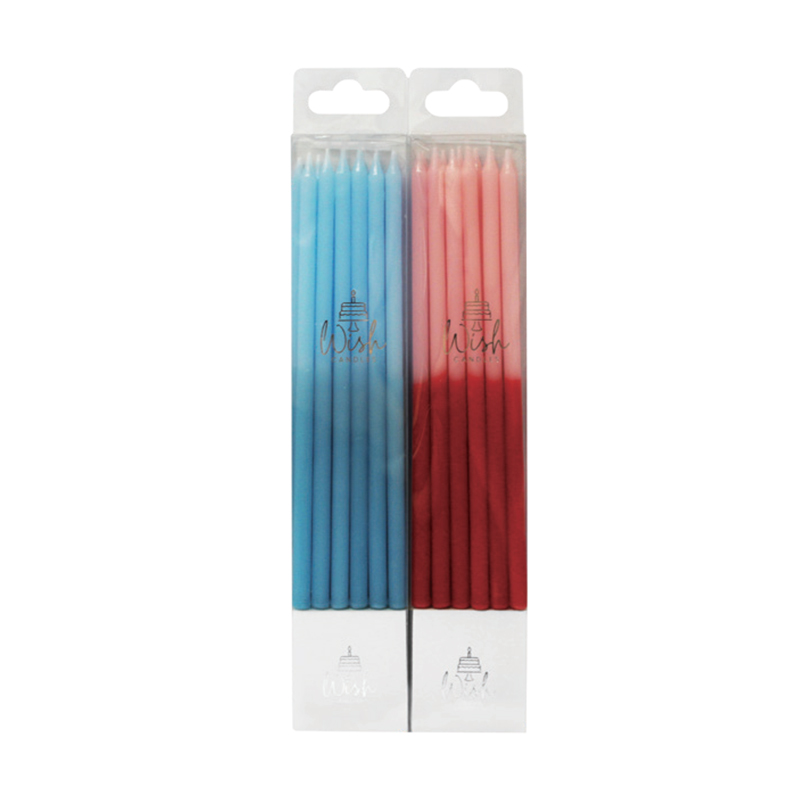
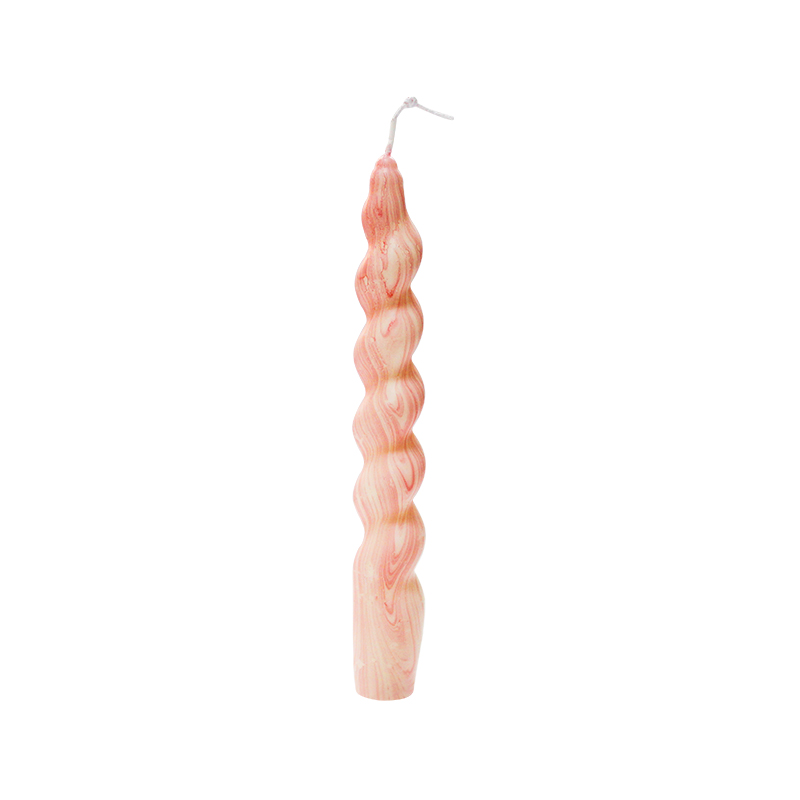
- Classic taper birthday candles in vibrant single colors and multicolor sets — the traditional format that places one candle per year on the cake, maintaining the full symbolic counting tradition in beautiful, dripless paraffin wax with braided cotton wicks for clean, even burning
- Numeral and letter candles in standard, metallic gold, metallic silver, and glitter finishes — for milestone birthday displays that make a visual statement whether lit or unlit, and photograph beautifully against any cake decoration
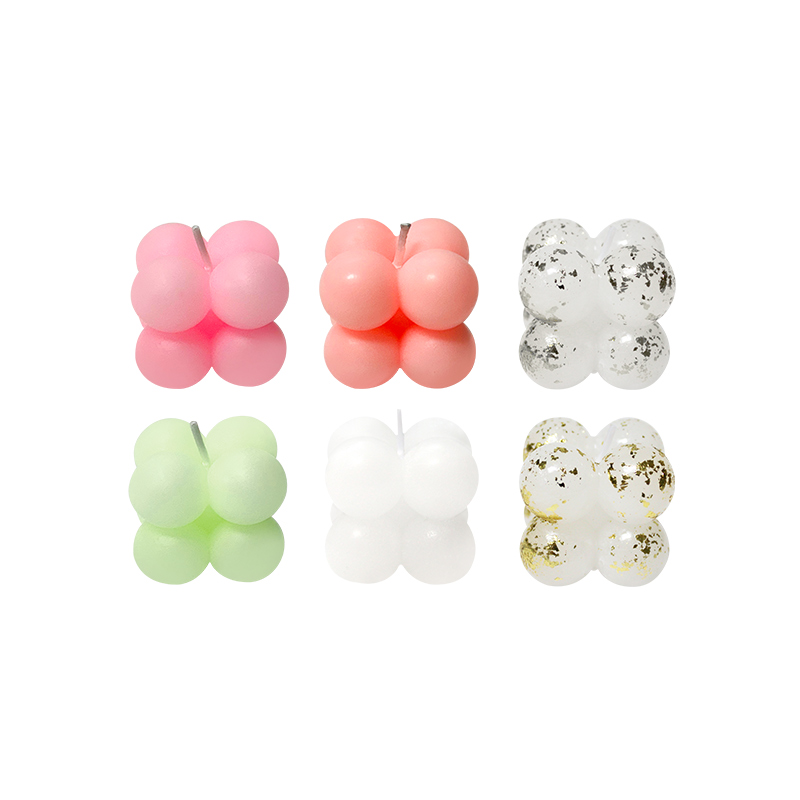
- Specialty shaped candles including stars, hearts, and themed designs that coordinate with popular birthday party themes — adding a decorative layer to the candle element that integrates with the overall visual design of the celebration
- Sparkler candles for milestone celebrations requiring a more dramatic visual moment — producing cascades of bright sparks that create an unforgettable memory-forming experience for the birthday person and all guests
- Trick candles for celebrations where laughter and extended shared experience are the priority — bringing an element of playful subversion to the wish-making ritual that bridges generations in shared amusement
- Color-coordinated candle and holder sets for party planners and decoration-conscious hosts who want every element of the birthday table to work together as a coherent visual design
Every birthday candle we produce is made to light cleanly, burn evenly, and extinguish reliably — because the moment of the candle ritual deserves products that perform flawlessly. From a child's first birthday to a grandparent's ninetieth, the right birthday candle on the right cake is a small but genuinely significant contribution to one of the most enduring and meaningful traditions in human celebration.